What a book does that has no price
Some of the most important results Scribe authors report are not dollars. The calculator leaves them out on purpose. Here is why, what those results look like, and how to weigh them next to the numbers.
Why the calculator leaves them out
The Book Value Calculator only adds up things you can put a dollar figure on: clients, fee increases, paid talks, royalties and other value you can price. It has no box for credibility, legacy or readers helped.
That is not because those things are small. It is because any number for them would be invented. If you tell the calculator that credibility is worth $30,000 a year, the total goes up by $30,000 a year, and the total looks just as solid as before. The guess hides inside a real-looking number. A calculator that shows its arithmetic should only add things you can check.
So the rule on this site is: price what you can, list what you cannot, and look at both before you decide.
Four kinds of value beyond money
The Scribe Method chapter What's the (Intangible) Impact of a Book? groups these benefits, and says that when Scribe talks to authors after publishing, these are often the results that matter most to them. In plain terms:
Helping readers
Solving a problem for people you will never meet. A book reaches people your practice, your company or your talks cannot.
Standing and credibility
Being the person who wrote the book on the subject. It changes how people introduce you, how media and event organizers see you, and how clients see you before the first call.
Clarity
Writing a book forces you to decide what you actually think and to say it simply. Many authors say their own teaching, selling and leading got sharper.
Legacy
A record of what you know and what you did, for your family, your company or your field.
Credibility is the one that sits closest to money, because it often shows up later as a client, a fee or a talk. That is why it is treated separately below.
What authors report
These results come from Scribe Media's published success stories. They are strong results, chosen because they are clear examples, not typical ones, and nobody can promise them. None of them is a dollar figure. Each card links to the full story.
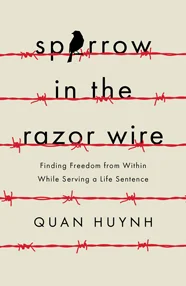
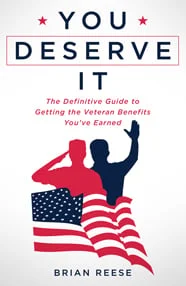



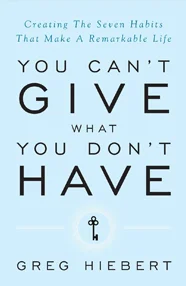
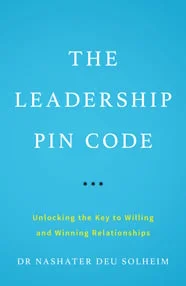
Look at what these have in common. A book handed to prisons, veterans, patients or students did work its author could never have done one person at a time. Some of these results are about reach (books in prison libraries, veterans reached). Some are about change in the world (a product recall). Some are about standing (a TEDx stage, a book required at universities or given by CEOs to their leaders). None of them has an honest price, and all of them are real.
When it turns into money
Credibility and visibility often lead somewhere you can count. When they do, count the countable thing, in the right line, at the time it happens:
- A talk becomes a paid keynote: count it in the paid talks line. See speaking fees and books.
- Standing becomes a higher fee: count the increase in the fee increase per client line.
- A reader becomes a client: count the client.
- The book attracts a recruit, an investor or a partner: count what you can price in other value.
Stephen Butler's story shows the pattern. He and his coauthor told Scribe at the outset that they were not trying to sell copies of Why Is a Verb; they were building a platform for an idea. The book led to a Marriott foreword and a TEDx talk with 30,000 views, and then to a head of AI role at a company whose founder had read it (read the story). The foreword and the views have no price. The role does, and that is the point at which it would enter the math.
The results that did reach a dollar figure, from clients to fees to money raised, are grouped by kind on the author results page.
How to weigh it
A simple way to keep both kinds of value in view without mixing them:
- Run the calculator with cautious numbers. Note the total, the payback point and how many clients pay back the book.
- Write a short list of what the calculator does not count and that you care about: the readers you want to reach, the standing you want in your field, what you want on the record.
- Ask one question. If the money line only breaks even, or falls short, is the list worth the difference to you?
Say your cautious numbers show a book that costs $44,000 and brings $12,000 a year in value you can price. Over 3 years: $12,000 × 3 = $36,000. Shortfall against the cost: $44,000 − $36,000 = $8,000.
The question is then concrete: is reaching the readers you care about, and being the author of the book in your field, worth $8,000 to you over three years? Some people will say yes at once. Some will say no. Either answer is a good decision, because it is made on purpose.
Most of the authors on this site wrote for both reasons. The math tells you whether a book can pay its own way. The list tells you why you would write it anyway.
Sources: The Scribe Method, What's the (Intangible) Impact of a Book?; author results from Scribe Media success stories, linked on each card.